I've worked with enough branded residence buyers to know that most aren't reading the agreements the way they should. Buyers see the brand name on the building and they assume the brand is working for them. But while getting swept up in the sales conversations, they can loose sight that the brand is first and foremost working to perpetuate their image in the market. And in many cases, that distinction can be the difference between an asset that compounds and regretful purchase.
This isn't anti-branded residence. Some of the most extraordinary properties I've worked on carry a brand. But with the sector on pace to nearly double by 2030, and non-hotel brands from Porsche and Bulgari entering the space, there's a wave of buyers making expensive decisions without understanding what they're actually signing up for. Here's what I would tell buyers who ask me before they sign.
What You're Really Buying
The fundamental misunderstanding is about control. When you buy a branded residence, you legally own the property. The title is yours. But what happens inside that property - the finishes, the furniture, the operational standards, even the contents of what qualifies as an acceptable bathroom - is all governed by the brand's standards. All of it. They have a say in what your private space looks like, how it's maintained, and what changes you can make to it. Because those private spaces are a direct reflection of how the brand sees itself in the marketplace. That's the key point most buyers miss. If you have any expectation that you'll shape the final product to your own vision, a branded residence isn't the right vehicle. The brand will enforce its standards on all things you see and don't see. And any deviation from those standards will become a headache and jeopardize your participation in the rental pool.
The Rental Pool Trap
Here's where the financial model can quietly turn on you. Owners aren't legally forced to comply with every brand directive. You own the property. But the rental pool is the economic engine that makes these premium purchases palatable for many buyers. It offsets the carrying costs, the management fees, and the ongoing capital investment required to keep the property at brand standard. Step outside those standards, and you lose access to rental pool and the only revenue stream that makes the operations and maintenance numbers pencil.Management fees alone typically run 2–3% of property value annually, which can equate to $200,000–$300,000 per year on a $10M property, before you factor in the capital expenditures the brand requires to keep your unit in like-new condition. This isn't maintenance in the way most homeowners think about it. The brand isn't asking you to keep the place clean. They're asking you to replace things before they're worn out, renovate on their timeline, and maintain museum-quality care because their reputation depends on it. You bear that cost. So you're not coerced. You're just economically incentivized to comply, indefinitely, at the brand's discretion, with standards you didn't set and can't influence.
Four Questions Before You Buy
If you're evaluating a branded residence, or advising someone who is, here's the questions you should ask yourself.
1. Have you read the brand standards agreement?
Not the marketing materials. The actual agreement, typically between the brand and the developer. Understand what the brand has the right to enforce, how they enforce it, and what the consequences are for non-compliance. Pay particular attention to the rental pool terms and what access looks like if you step outside brand standards.
2. How consistently are standards enforced across the development?
Consistency is what drives long-term asset value. Your neighbor being able to paint their unit a different color, build outside the setback, or operate outside brand standards creates an inconsistency problem that depresses values across the entire development. Ask the developer and brand team specifically who is responsible for design review, what the approval process looks like for any modifications, what the expected turnaround time is, and ask for a written design schedule. Bonus: Talk to existing owners in other properties the brand has managed. Their experience is the only honest preview of what you can expect.
3. How far along is the design process?
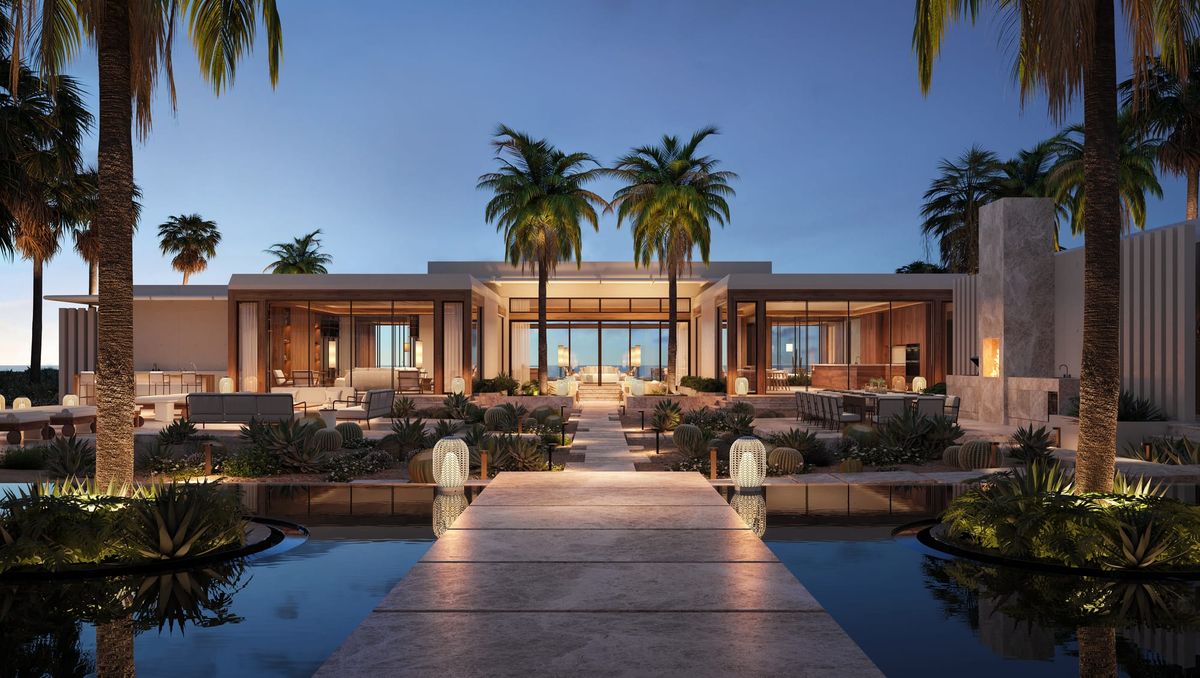
This one is underrated. Sales materials for branded residences are a vibe, often representing conceptual intent, not a thoughtfully engineered reality. There is a significant difference between a beautiful rendering and a project that has been through a design consultant’s developmement and technical services review, where the brand has signed off on materials, specifications, and construction standards. The further along the design and engineering, the closer what you see is to what you'll get. If the project is still heavily conceptual, you're underwriting significant execution risk on top of everything else.
4. What does your personal use actually look like?
Be honest about how you plan to use the space. How often will you be there? Will you keep personal items on property? I find this matters less for things like clothing and more for one-time-purchase items tied to activities the location makes possible—ATVs, sporting equipment, dive gear, whatever applies. If you're a monthly visitor with equipment you need on-site year-round, you need to know how the brand's operational model accommodates locked owner storage that's completely removed from the guest experience, or whether your belongings disappear every time a guest books. The more intrusive your personal use pattern, the harder it becomes to make the rental pool work without friction. And if the rental pool doesn't work, the whole financial model shifts.
Who Should Actually Buy One
Branded residences work well for a specific buyer: someone looking for a second or third home they'll visit regularly, who wants it maintained to an exceptional standard without thinking about management, and who genuinely knows the brand - not from the marketing materials, but from having stayed at other properties and trusted the execution. If you've been to four Aman properties and loved all four, you probably know what you're getting. If you're buying based on the name recognition alone, that's a riskier bet. What you should not bring into this purchase is a strong design point of view. If you see a property in a resort setting as a canvas, a place where you get to craft something uniquely yours, a branded residence is going to work against you at every turn. That headwind isn't occasional. It's structural. The question isn't whether branded residences are good or bad. It's whether your vision of ownership matches what the brand is actually selling. Most of the time when I see buyers in trouble with these properties, it's not because the brand did anything wrong. It's because the buyer didn't fully understand what they'd agreed to before they signed. Read the agreement. Talk to existing owners. Know your usage pattern. And be honest about whether you want a property you control or a property that's managed for you.
The link has been copied!